I needed a positive documentary after a week of watching 9/11 commemorations, depressing political films on the current state of the world, and a handful of disappointments, and The Cycle of Love arrived just in time. It still brought me to tears, but out of joy. Directed by Orlando von Einsiedel (Oscar winner for The White Helmets and nominee for Virunga), this marvelously novel and constantly surprising film follows the epic, romantic journey of PK Mahanandia, who embarked on a bicycle trip from India to Sweden in 1977 to be reunited with the woman he loved. It’s one of the best movies I’ve seen this year, fiction or nonfiction.
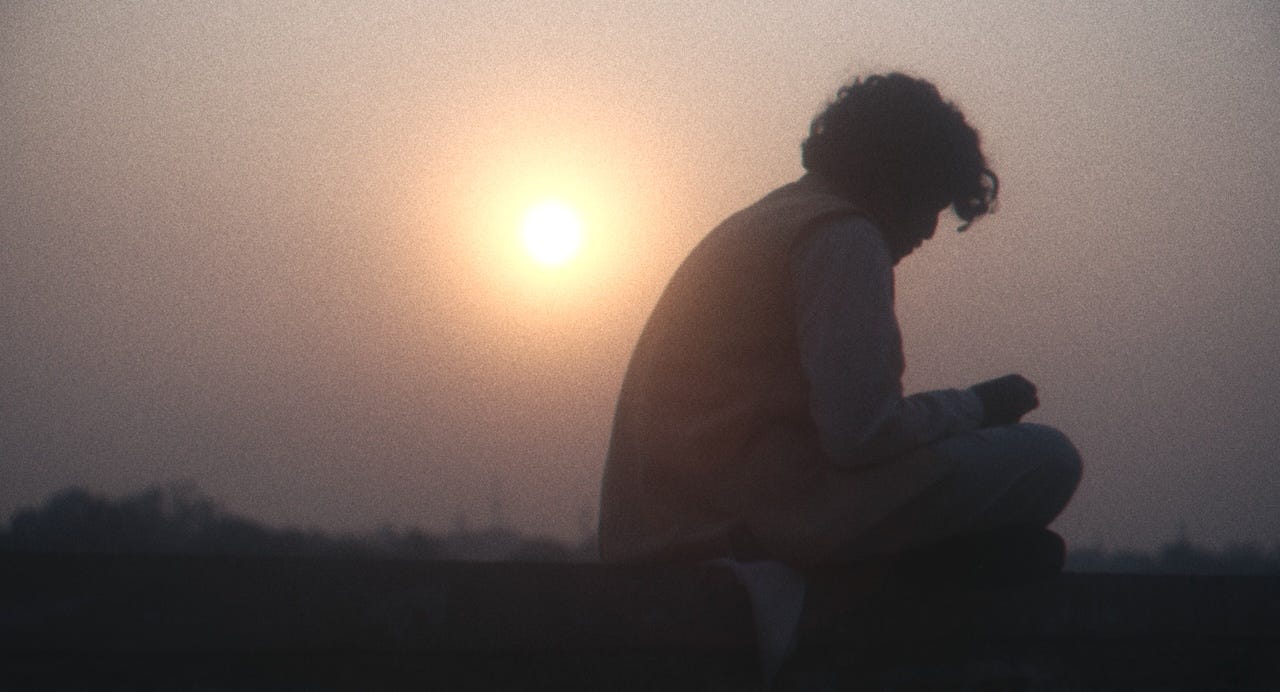
Everything about this film is beautiful, from the seemingly simple yet extraordinary tale to the score by Patrick Jonsson and the dramatizations shot by Franklin Dow. There is more reenactment material here than some purists might prefer, but they are done with so much artistry that you could remove the documentary elements and have a brilliant drama on its own. As it exists, though, The Cycle of Love is driven by its documentary parts: talking-head interviews/narration involving only Mahanandia and the Penelope to his Odysseus, Lotta von Schedvin, as they tell their sides of the story.
There is also some archival footage seamlessly mixed into the film in case you need more nonfiction balance in this hybrid feature. Also, a lot of the sequences within the dramatization are actuality material — unscripted genuine moments with real people who weren’t cast but were met through the production’s own travels while recreating Mahanandia’s odyssey — and incorporated so perfectly. I don’t think I’ve ever seen anything like it, at least not done this well. It might sound like a manipulative blurring of the authenticity of the tale being depicted, but it’s more of a blending of one real thing with another real thing, all in service of a greater truthiness.
There is more to The Cycle of Love than the romantic story at its center. It’s a timeless film for that aspect, as well as for its focus on racial and social/caste discrimination, but it’s also incredibly vital for the turbulent moment we’re currently living through. The title isn’t just a reference to Mahanandia’s mode of transport but also refers to the friends we meet along the way (sorry, I couldn’t avoid that phrasing). Empathy, respect, kindness, love — it’s all cyclical in how we treat others and are treated in return, whether in present situations and relationships or as time and lives go on. This is a tale that involves destiny and karma as well as determination. Its themes being based in Hindu ideology is essential to its richness as a true story and as a film.


