'Chris & Martina: The Final Set' Review
You don't have to care about tennis to appreciate this Netflix documentary about the rivalry and friendship between Chris Evert and Martina Navratilova.
I have no interest in or understanding of tennis (despite taking lessons as a little kid and playing it in P.E. in middle school), so most documentaries about the sport and its players don’t appeal to me. They need a great story where the tennis clips are merely obligatory set dressing, like this year’s Billie Jean King biography, Give Me the Ball!, or they need exceptional cinematic form, à la John McEnroe: In the Realm of Perfection. This film is among the former, and it stands out because it’s about a friendship turned rivalry turned friendship again, where the relationship between its two subjects constitutes a sum greater than its individual biographical parts.
Directed by sports doc regular Rebecca Gitlitz (she has contributed to both 30 for 30 and Untold, among other works), Chris & Martina: The Final Set follows the contrasting lives of tennis legends Chris Evert and Martina Navratilova, both of whom rose in the ranks of women’s tennis players as teenagers in the early 1970s. They were part of the new generation that made women’s tennis more popular than ever, and the media spun easy narratives from their backgrounds, appearance, and matchups. Evert was the pretty blonde American from the Sunshine State, while Navratilova was the bisexual defector from the Communist Bloc. Hollywood couldn’t write them better.
But they were initially friendly and even won doubles events together. Where their story gets more interesting, without help from the media (though perhaps influenced by and feeding into it), is when they fell out, and things got ugly between them. There has already been a documentary released about their rivalry, though: the 2010 30 for 30 film Unmatched. What Chris & Martina: The Final Set adds to their paired-up story is the cancer diagnoses they’ve received since, and the support they’ve given each other throughout their treatment. It’s bittersweet how they jokingly view their similar circumstances as another part of their rivalry.
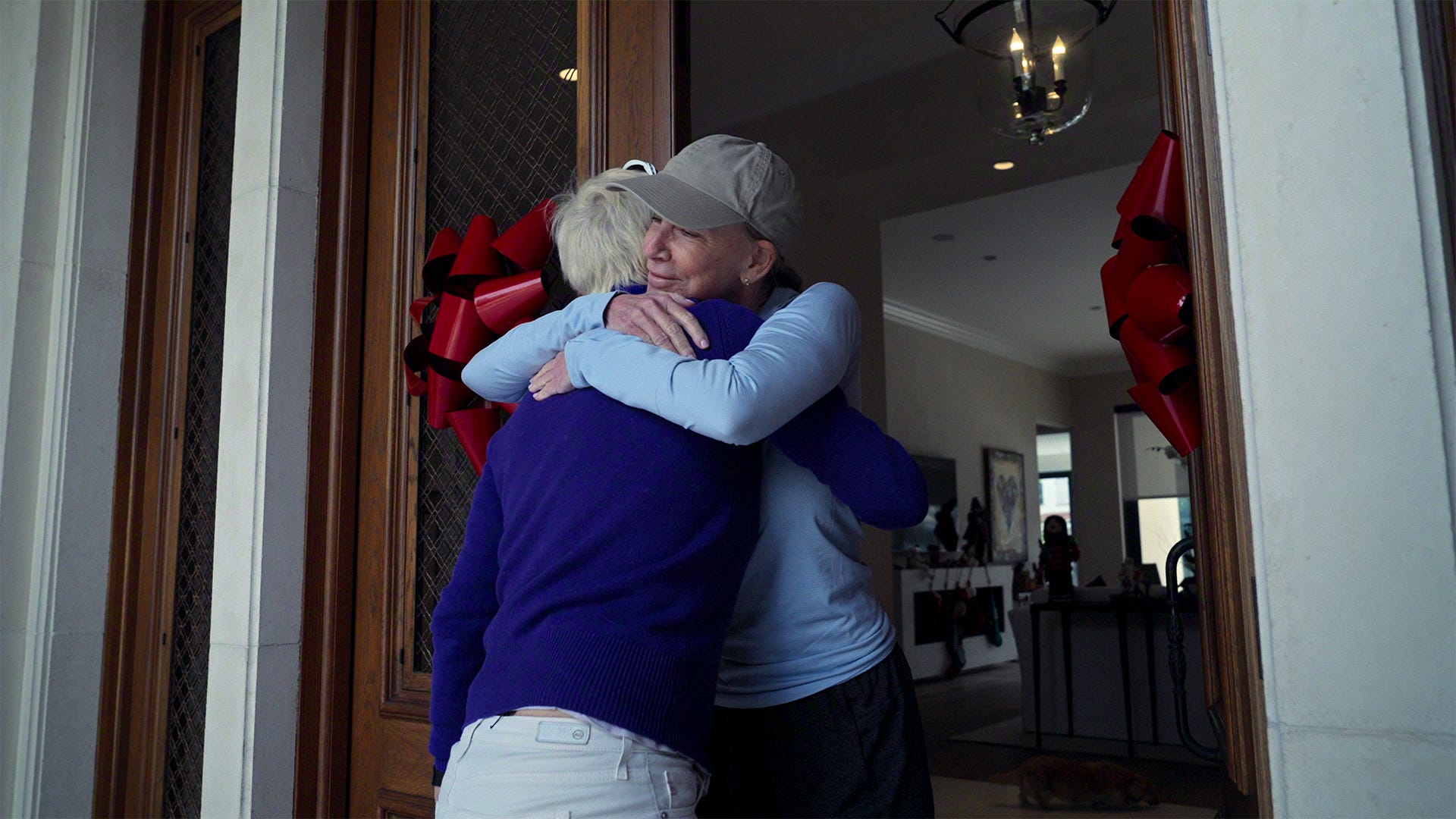
It’s also beautiful to see them going through it together, and the documentary gives them some joint interviews in addition to their individual setups to emphasize the evolution of their relationship. For me, they could be tennis players, or they could be icons from any other sport, or music, science, politics, whatever. While there is some time given to their dissimilar respective styles and talents, with footage of their matches where they faced each other for major titles, you don’t have to understand tennis scoring to appreciate these sequences or the film as a whole. Both women are still surviving, but otherwise, their story here feels more Beaches than Challengers.


